



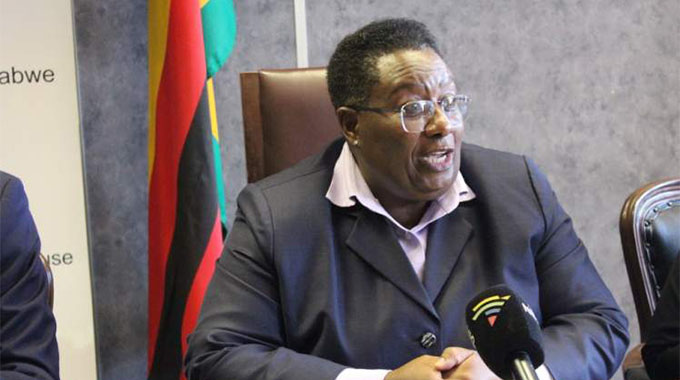
The Zimbabwe Anti-Corruption Commission (ZACC) expects to seize assets worth over US$1 billion believed to have been corruptly acquired by individuals and companies, chairperson of the watchdog, Justice Loice Matanda-Moyo, has said.
ZACC, in partnership with other law-enforcement agents, will clamp down on smuggling, especially of high-value minerals, which has seen the country losing billions of dollars.
Justice Matanda-Moyo confirmed on Friday in an interview that the anti-graft body would refer more than 40 cases to the National Prosecuting Authority (NPA), which would then pass them on to the courts.
While ZACC will continue dealing with all matters involving corruption, the main thrust this year is to target “big fish” who, previously, used their deep pockets to evade investigations or prosecutions.
The anti-graft body has been accused of catching and releasing suspects.
“I believe the US$1 billion target is achievable,” said Justice Matanda-Moyo.
“We will be investigating all the cases and referring them to the NPA, but our main focus will be on bigwigs, as well as corrupt officials within our entities (ZACC and NPA).
“We can’t continue to have cases dismissed by the courts because the dockets would not have been adequately completed. We are looking to collaborate with all agencies to ensure that all cases are efficiently investigated and properly prosecuted.
“Our officers (ZACC and NPA) need to understand that we are in the same relay team,” she added.
Justice Matanda-Moyo said the country was losing minerals worth billions of dollars through the borders and ZACC would work with the Zimbabwe Revenue Authority “to seal the porous borders”.
Last year, she lamented the lack of collaboration among entities mandated to tackle corruption.
“ZACC should work with the police, the Zimbabwe Revenue Authority, the Auditor-General’s office and the National Prosecuting Authority to arrest and prosecute corrupt people,” she said.
“We can only defeat corruption if we allow ourselves to work together. Fighting corruption is like a relay.
“We have different functions within that role. If the investigators do not produce quality documents, there is no way that you can guarantee convictions. On the other hand, superb documents can be prepared but if the prosecutors are not up in the game, no convictions.”
Some individuals and companies, whose assets are believed to have been irregularly acquired, are already before the courts. It is understood that the ZACC legal committee held its first meeting of the year last month and set a target of seizing assets worth US$1 billion from individuals and companies.
Under the Second Republic, the anti-corruption crusade has seen high-ranking officials – including business executives, Government officials and even ZACC officials – being
arrested. In July 2020, President Mnangagwa launched The National Anti-Corruption Strategy, a policy meant to achieve zero tolerance for any form of corruption.
“ZACC is moving a gear up to ensure the policy is effectively implemented,” another source said.
Harare-based analyst Mr Carlos Tadya said there should be a genuine will to end corruption, while the institutions mandated to deal with graft should be well-resourced.
“We have several entities mandated to deal with corruption and these institutions need to be well-resourced,” said Mr Tadya.
“If we talk of US$1 billion worth of assets to be recovered, and you assign an officer or a prosecutor not well-remunerated to deal with such cases, what else do you expect? These are some of the factors that the authorities need to look into, otherwise we won’t achieve much.”
The Second Republic has adopted a zero tolerance policy on corruption and in this move, the Government has said there will be no sacred cows. – Sunday Mail