


Children with Type1 diabetes in Zimbabwe remain one of the most under-reported and misdiagnosed populations, a situation which contributes to most cases being discovered when the child has already gone into a diabetic coma.
The classic symptoms of Type 1 diabetes include extreme thirst, frequent urination (including urinating at night or bed-wetting), constant hunger, weight loss, lack of energy and blurry vision. All of the symptoms of diabetes are often seen in other more common illnesses which is why it is often missed or misdiagnosed.
Type 1 diabetes is commonly confused with urinary tract infection, stomach flu, strep throat, or viral infections, as these conditions all have symptoms that overlap with diabetes.
Speaking at a family diabetes workshop held on Thursday, Sally Mugabe Hospital paediatrician Dr Prisca Mureriwa said the only way for one to diagnose diabetes was to test and at times health professionals missed the symptoms and would test for other ailments with similar symptoms.
“With diabetes you can only know that a child has diabetes if you test for it,” she said. “And for you to test for it, you have to suspect it so for most people it is not common that they will think a child has diabetes, they will think it is diarrhoea or pneumonia or even urine infection and they will not do the test for diabetes.”
Dr Mureriwa said the symptoms of diabetes were also being missed at home as parents and caregivers often mistook the symptoms for other illnesses.
“But what we have been teaching people is that the classic symptoms of diabetes are there and it is important for families and the health workers to realise that they are characteristic of diabetes and the next thing to do is to test,” she said.
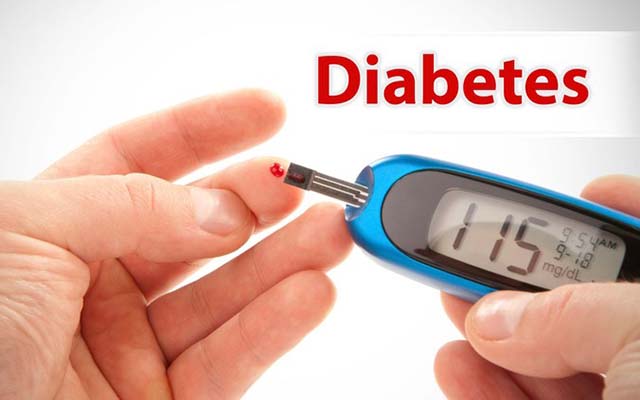
“Tests are easy, we are doing a blood glucose check and most of the clinics and hospitals should have this blood glucose test.”
Dr Mureriwa said it was important for health professionals at all levels to be trained on how to handle children with diabetes as it would lessen the costs that families face in travelling to a referral hospital for treatment.
“We need health professionals that are confident to look after children that have these chronic conditions,” she said. “You see that sometimes a family is referred to the central hospital with a diabetic child, but that comes with an added cost and inconvenience.
“We want to be able to manage these conditions even at the most peripheral clinic, making sure we have the right nurses and the right health cadres to take care of children with diabetes.”
Parirenyatwa Group of Hospitals paediatrician Dr Ismail Ticklay concurred that paediatric diabetes was still under-recognised and underdiagnosed in the country.
“Many children come in when they are already in Diabetes Ketoacidosis (diabetic coma),” he said. “But if people could just know the symptoms and pick it up early and do a blood sugar test, they would pick this up early and avoid going into a coma.
“If a child has developed a cough or pneumonia or diarrhoea and they also present with passing a lot of urine and drinking a lot of water, becoming thirsty, losing weight, but eating a lot, they could be diabetic. But all those symptoms are misinterpreted sometimes.
“Sometimes the children come in breathing very fast and that is part of the diabetic ketoacidosis, but the health professional can treat it as pneumonia instead. But then this delays treatment and the child goes into a coma. If these symptoms are picked up early, they can be treated.”
Although the number of children with diabetes is seemingly high, there has been no reliable data to inform of the country’s paediatric diabetes burden.
However, central hospitals which are offering diabetic clinics have started compiling the statistics.
At Sally Mugabe Hospital, approximately 70 children have been diagnosed with diabetes and are being managed there, while at Parirenyatwa Hospital between 70 and 80 diabetic children are currently being treated.
Dr Ticklay said almost every week, one or two children were admitted in a diabetic coma. This means the number of diabetic children grows everyday.
“A lot of advocacy needs to be done for people to know that diabetes is there among children,” he said. “Unfortunately, it is not curable, but it can be controlled. If it is not managed, there are long term complications as it affects the eyes, the heart, kidneys, nerves and other organs.”
Dr Ticklay said the youngest diabetic patient he had attended to had been 18 months old, and this showed that the disease was there among children and people needed to be vigilant.
Government on its part has made a commitment to improve early detection of paediatric diabetes and other chronic conditions.
Health and Child Care Deputy Minister Dr John Mangwiro said the gaps that existed in screening, early detection and treatment of non-communicable diseases needed to be closed.
“There are still pronounced gaps in the provision of screening for other common NCDs such as diabetes, hypertension, asthma and cancers,” he said. “These gaps need to be closed so that life-saving NCDs diagnosis and treatment should be equal for all – no matter who you are, your level of education, level of income or where you live.
“This is important in protecting individuals and families from financial hardship as a consequence of out of pocket medical expenses due to NCDs.”
Dr Mangwiro said the Ministry of Health and Child Care was pushing to have all health facilities from the rural health posts to the central hospitals test for diabetes whenever they did other health checks on patients.
“People should understand about this disease so that we can avoid mismanaging the children with diabetes,” he said.
“We are pushing for patients to get checked for all chronic diseases whenever they visit the health facility.
“If one is going to collect their ART medications, they should be able to get a BP check as well as a diabetes test along with other tests. Patients should not have to leave a health facility without getting these or told to come back another time.” – The Herald