


Nevanji Munyaradzi Chiondegwa
Gatekeeping is a very toxic, manipulative, exclusionary, and hurtful process through which information is filtered for dissemination, whether for publication, broadcasting, the internet, or some other mode of communication and for keeping others out.
Gatekeeping occurs at all levels of the media structure from a reporter deciding which sources are presented in a headline story to editors choosing which stories are printed or covered. Including, but not limited to, media outlet owners and advertisers. A gatekeeper usually thinks their way is the only right way, so anything different is a sign of flaw. They fixate on all imperfections of others according to their standards to their personally set standards.
Since the advent or rather the use of social media in Zimbabwe, there has been an unmistakable intend by the Western sponsored opposition of Zimbabwe to dominate it. What with ZANU PF, as the ruling party reluctant to embrace social media from the early stages, it had become acceptable that the narrative on Facebook, Twitter and WhatsApp or online media is generally pro-opposition and conventional media, especially state media being anti-opposition and pro-government. It was a sort of unwritten rule.
The toxic verbiage spewed by the opposition elements drove some ZANU PF cadres to take it upon themselves to, despite party position, defend the party and take on opposition to the cleaners, evening out the playing field. This was so because, in the conventional media, the so-called independent media had taken it upon itself to ‘speak’ for the anti-government elements and spread a distinctively anti-revolution narrative.
Then came 2017, the birth of the New Dispensation, which some credited to the use of social media and a change in the ruling party stance on social media. President ED Mnangagwa, at the first National Consultative Meeting with the Youth Assembly of ZANU PF instructed the youth to fight it out on social media declaring: “endai movarakasha pa social media”( go thrash them on social media). Of course he meant using facts and selling the party positively and shining the light on the lies spewed by the opposition and thus started a new war, the war against Varakashi by the self appointed gatekeepers of social media.
Varakashi is the name of the pro-ZANU PF social media brigade, taken fro the Presidential instruction. The more Varakashi took on the opposition elements and exposed first the lies they preached, and posted the positives achieved, the angrier the factless and emotions-driven gatekeepers got. They began by stifling debate and through blocking those proffering a different view so that their lies go unchallenged. Then came the more drastic challenges, removing from groups, blocking on pages, reporting the accounts to social media providers such as Twitter and Facebook for alleged infringements.
On Twitter, they would all be led by the gatekeepers like Hopewell Chin’ono, Douglas Coltart, William Du Ploy among others. Persons who had arrogated themselves rights to decide who has access to Twitter and what views should obtain. They labeled an anti-opposition voice a threat to democracy and anyone who resented facts contrary to their preferred ‘truths’ had to go.
They formed teams to report sets of accounts they did not want to remain on Twitter and the accounts were either suspended or blocked by Twitter. The accounts Ministry of Information, Publicity and Broadcasting Services, Permanent Secretary Nick Mangwana, George Charamba’s Jamwanda2 were account among others were affected. These accounts were reported as either threats or spreading lies. In other words, they were telling the Zimbabwean story the gatekeepers did not want known. How can government accounts or government officials accounts be telling lies?
Who is most likely to tell the truth anyways between an activist fighting against government at the instigation of a foreign power and a government Ministry or official? Although Nick Mangwana and Ministry of Information recovered their accounts, the others were lost.
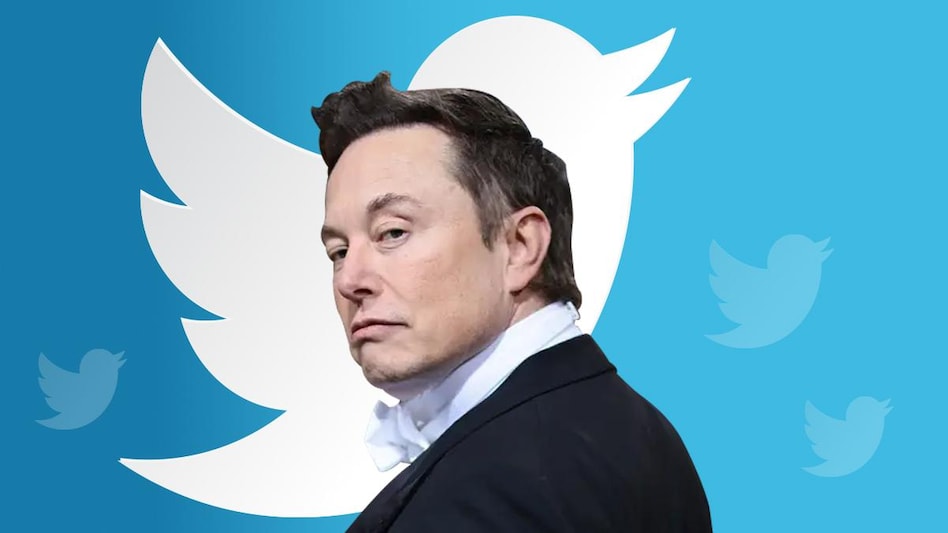
Then came Elon Musk and bought Twitter. He declared starting with the controversial account of former US President Donald Trump’s account lifting all bans on accounts suspended or banned for it was a suppression of freedom of expression. One could practically see the pain on people lile Hopewell Chin’ono’s faces. I do not know who told him that he had that much influence to the extent of trying to sway Musk’s opinion. He made it sound like the suspended accounts posed a threat to him as a person or to democracy when all it did was threaten his misinformation agenda.
Musk was having none of that and clearly his definition of freedom of expression was not defined or guided by American political views. The billionaire was not entertaining crybabies and an us versus them view of narratives. From where he stood, firm and unaffected by the complaints and yes, the accounts so much hated by the anti-Zimbabwe social media cabal are all back and the fight is being taken to them.
Now all that is left to them is to block but can they block the voice of truth? No, they certainly cannot, just as they could not influence Musk. – tategurutv