


THE Government has completed construction of 300 homes for 2017 flood victims in Tsholotsho, Matabeleland North Province, with only seven families yet to benefit.
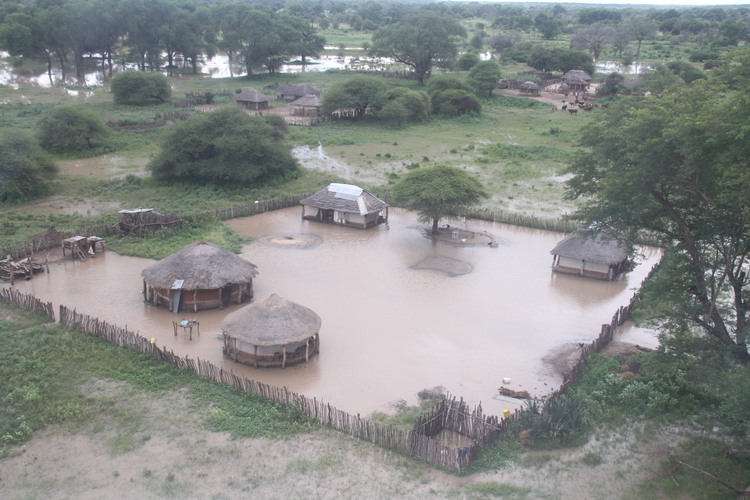
Over 300 families were affected by Cyclone Dineo-induced floods in 2017.
Government allocated them new plots, paving the way for construction of 307 homes on higher ground in Tshino and Sawudweni villages.
Tsholotsho is one of the flood prone areas in the country, with communities in Mahlosi, Mahlaba, Thamuhla, Mbamba, Mele, Lutshome, Maphili and Mbanyana, and villages along Gwayi River the worst affected.
Last week, 17 learners from Jimila School failed to cross the flooded Gwayi River which filled up during the day when they were at school.
The learners were all assisted to cross back to their villages the following day.
Tsholotsho district development coordinator Mr Aaron Gono said the completed houses were ready for occupation although some of the beneficiaries had returned back to the flood prone areas which they consider fertile for farming.
Mr Gono expressed concern that their lives were always in danger because of flooding.
“So, for those houses, we are left with seven out of 307. Of the outstanding seven, three are at slab level while we haven’t started working on the other four. Material is, however, on site and we are only left with river sand which we can’t mobilise when it’s raining but everything else including money to pay builders is there,” said Mr Gono.
Material for the construction project was mobilised locally providing employment to locals, some of whom are beneficiaries of the houses.
In separate interviews, beneficiaries thanked Government for empowering them through decent shelter.
They said their lives were in perennial risk in the flood prone areas.
“Children lost quality learning time during the time we were hit by floods and this affected the level of education in our area which we hope now that we have permanent houses, this will be rectified through building of schools,” said Ms Otrace Moyo, one of the beneficiaries from Matupula Village.
She and her family were affected by the floods and remained vulnerable for days when others were being evacuated to higher ground in Sipepa because the rescue teams lost their way due to poor visibility as a result of weather conditions.
When they were finally relocated to safe ground, life was not bearable because of crowding.
“Women were the worst affected and exposed to diseases. We lost livestock and our old homesteads were destroyed meaning some cannot even go back there from the new stands. We don’t wish to have floods again,” said Ms Moyo.
Ms Mthandazo Ndlovu from Mapini area expressed gratitude to Government for its intervention.
“They delayed building the house as some are still under construction, but we are happy because people can now lead decent lives,” she said. “Many relocated with less or no property that had been destroyed by floods and had to start over while children lost learning time and some got pregnant or dropped out of school.
“To us women, life was unbearable because basics were not readily available and we are happy now that for starters we have decent houses for our families.”
Another beneficiary only identified as Dlamini said access to water was a challenge at the new stands.
“We are now staying at the new stands as houses are complete, but water is the challenge as the borehole is overwhelmed,” he said.
The district is in the process of updating the District Disaster Risk Management Plan which was last updated in 2014 to make sure everyone is on safe ground. – The Herald