
• Latest
  • Trending
  • All
  • News
  • Economy
  • World
  • Lifestyle
Forex earnings keep rising: RBZ

Local banks adequately capitalised: RBZ

3 years ago
China in Africa: Who is fooling who?

China in Africa: Who is fooling who?

1 year ago
Sino-Zim: Turning the ironclad pact into dollars

Sino-Zim: Turning the ironclad pact into dollars

1 year ago
If our friends in China did it…

If our friends in China did it…

1 year ago
Handbook to guide Gukurahundi Outreach

Handbook to guide Gukurahundi Outreach

2 years ago
Harare building collapses, woman dies

Harare building collapses, woman dies

2 years ago
Africa backs Zimbabwe’s Security Council bid

Africa backs Zimbabwe’s Security Council bid

2 years ago
ED says no to third term

ED says no to third term

2 years ago
Banks start changing accounts to ZiG

Banks start changing accounts to ZiG

2 years ago
SADC will prioritise food security, says Incoming Chairperson

SADC will prioritise food security, says Incoming Chairperson

2 years ago
Caps fans invade pitch, match abandoned

Caps fans invade pitch, match abandoned

2 years ago
Measures to promote use of ZiG

Measures to promote use of ZiG

2 years ago
ZiG starts circulating on April 30

ZiG starts circulating on April 30

2 years ago
  • About
  • Advertise
  • Privacy & Policy
  • Contact
Monday, December 1, 2025
  • Login
Zim Sentry
  • Local News
  • Africa
  • International
  • Thought Leader
  • Economy
  • Lifestyle
  • SportsTrending
No Result
View All Result
Zim Sentry
No Result
View All Result
Home Economy

Local banks adequately capitalised: RBZ

January 9, 2023
in Economy
0
Forex earnings keep rising: RBZ
495
SHARES
1.4k
VIEWS
Share on FacebookShare on Twitter

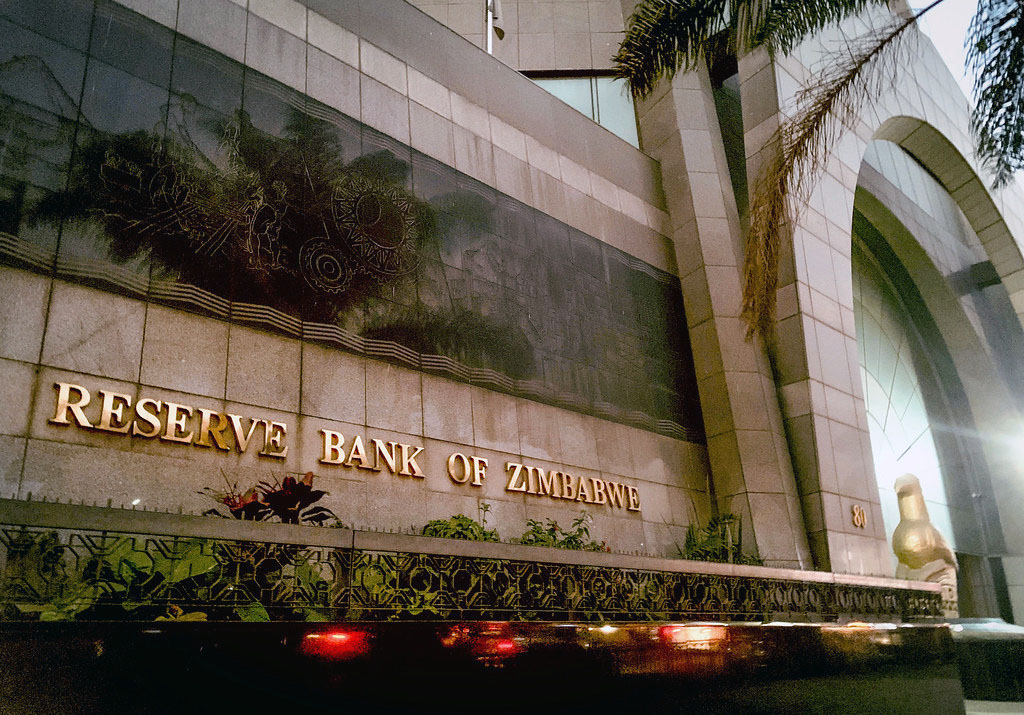
LOCAL banks are adequately capitalised with an average capital adequacy ratio of 35,45 percent, the highest in two years and above the regulatory limit of 12 percent, the Reserve Bank of Zimbabwe (RBZ) has said in its latest banking sector report.

On average, capitalisation levels are double the required limits, according to the central bank’s banking sector report for the third quarter of 2022.

Capital requirements are standard regulations for banks and other depository institutions to determine how much liquid capital must be held against a prescribed value of assets.

There has been an upward trend in the banking sector capital adequacy ratios, as core capital increased due to improved profitability by banking institutions over the period ending September 30, 2022.

Under the current regulations, all tier 1 banks must have a minimum capital of US$30 million.

Commercial banks, merchant banks, development banks, finance, and discount houses in the tier 2 category are required to have a minimum capital equivalent of US$20 million while deposit-taking microfinance institutions must have an equivalent of US$5 million.

Commenting on the report, banker Ray Mandeya said the banking sector has “good liquidity indicators as shown by an average liquidity ratio of 59,51 percent well above the stipulated benchmark of 30 percent”.

“These factors are critical for banks to underwrite significant business and to support the envisaged average economic growth of above 3 percent.”

However, the liquidity ratio has been on a declining trend from a high of 74,85 percent in June 2020 as banking institutions are increasing their lending, as reflected by the gradual increase in the loans to deposits ratio from 44,16 percent in March 2021 to 52,83 percent for the period under review.

Economist Dr Prosper Chitambara said the capitalisation levels would help ensure stability in the financial sector while creating sustainable financing.

Banks have been increasing support to productive sectors of the economy with total banking sector loans and advances for the quarter, increasing to $1,1 trillion from $603,14 billion as at June 30, 2022.

According to the RBZ, the growth was largely attributed to the translation of foreign currency-denominated loans amounting to $704,71 billion, which constituted 68,97 percent of total banking sector loans.

Loans to the productive sectors constituted 76,29 percent of total loans as at September 30, 2022.

Banks have also seen the percentage of non — performing loans (NPLs) cooling off from a three — year high in the quarter ending September 30, 2022.

Economist Mr Tinevimbo Shava said, “The quality of loans remained satisfactory as reflected by the non-performing loans to total loans ratio of 1,4 percent, against the generally accepted international threshold of 5 percent.” – The Herald

Tags: Economist Dr Prosper ChitambaraReserve Bank of Zimbabwe (RBZ)
Share198Tweet124Share50
tendaik1

tendaik1

  • Trending
  • Comments
  • Latest
Richarlison World Cup goal voted best of the tournament

Richarlison World Cup goal voted best of the tournament

December 24, 2022
By-election victories have primed us for 2023 polls, says ZANU PF

By-election victories have primed us for 2023 polls, says ZANU PF

October 24, 2022
A new ocean is being formed in Africa

A new ocean is being formed in Africa

February 11, 2023
China in Africa: Who is fooling who?

China in Africa: Who is fooling who?

0
Zim/Iran seek improved economic relations

Zim/Iran seek improved economic relations

0
President Masisi to open Harare Agric show

President Masisi to open Harare Agric show

0
China in Africa: Who is fooling who?

China in Africa: Who is fooling who?

October 5, 2024
Sino-Zim: Turning the ironclad pact into dollars

Sino-Zim: Turning the ironclad pact into dollars

October 5, 2024
If our friends in China did it…

If our friends in China did it…

October 5, 2024
Zim Sentry

Copyright © 2022 ZimSentry. All Rights Reserved

Your Trusted Watchman

  • About
  • Advertise
  • Privacy & Policy
  • Contact

Follow Us

No Result
View All Result
  • Local News
  • Africa
  • International
  • Thought Leader
  • Economy
  • Lifestyle
  • Sports

Copyright © 2022 ZimSentry. All Rights Reserved

Welcome Back!

Login to your account below

Forgotten Password?

Create New Account!

Fill the forms below to register

All fields are required. Log In

Retrieve your password

Please enter your username or email address to reset your password.

Log In

You cannot copy content of this page