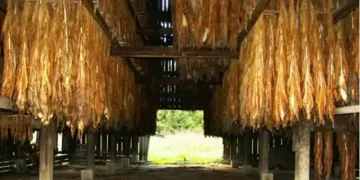



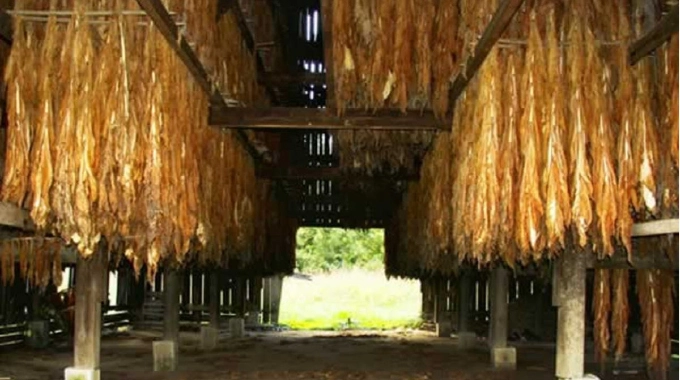
THE viability of the 2022/23 irrigated tobacco crop is under threat from the worsening power shortages rocking the country, which have seen farmers getting on average seven hours of power instead of the 24 needed for effective curing and handling.
Farmers are receiving 30 percent of their power needs at the moment and are expected to get the remaining 70 percent outside the national grid through generators, which is very expensive as they consume large amounts of diesel.
Harvesting and curing of the early planted irrigated tobacco crop has since started from the 20 511 hectares planted under irrigation.
Zimbabwe Tobacco Association chief executive officer Mr Rodney Ambrose on Wednesday appealed with the Ministry of Lands, Agriculture, Fisheries, Water and Rural Development to urgently look at ways of helping the situation lest tobacco yields could be grossly compromised leading to the realisation of very little revenue.
“Reference is made to the current power crisis emanating from constraints affecting power generation and imports, however, it is necessary to put into perspective the threat to the 2022/23 flue cured tobacco crop.
“Over 20 000 hectares planted under irrigation with a yield potential of 76 million kilogrammes is being harvested and curing has begun. A gross earnings potential of US$300 million is likely from this crop,” said Mr Ambrose.
Mr Ambrose hinted that for effective curing and handling of this crop, 24 hours of continuous power were required on the tobacco farms as opposed to the current average of seven hours.
“Since not all areas have received good rains there is also need to start supplementary irrigation of the early planted dryland crop, which requires a stable power supply from the utility.
“From January next year, curing processes would increase and there will be further demand for consistent power and close to 50 percent of the national crop could be exposed,” added Mr Ambrose.
As a stop gap measure, farmers have requested the Government to avail fuel at concessionary prices for generator use either through contractors or a Government facility.
Tobacco Association of Zimbabwe president Mr George Seremwe also weighed in stressing that the viability of the crop was under threat.
“The power crisis is negatively impacting the viability of the tobacco industry in a big way. The quality of the tobacco crop will be compromised especially with dry spells requiring planted tobacco to be irrigated,” said Mr Seremwe.
Meanwhile, Tobacco Farmers Union Trust president Mr Victor Mariranyika yesterday challenged farmers to invest in solar power to mitigate this loading shedding.
“ZESA authorities must also warn farmers about such impending challenges so that they get Plan B ready ahead of the disruptions,” he said.
Stakeholders in the tobacco industry had since dubbed the 2022/23 term the mother of all seasons as at September 23, TIMB disclosed that 995 841 grammes of tobacco seed with the capacity to cover 165 974 hectares had been sold.
Total area planted to tobacco under both irrigated and dryland for the 2022/23 season was 72 635ha as at December 5 against 63 720ha over the same period last year marking an increase of 14 percent.
Area under dryland increased from 40 129ha last year to 52 124ha this season representing a 30 percent increase. – The Herald