
By a Correspondent
GOVERNMENT seeks to employ 10 000 additional teachers in 2023 as it moves to reduce the teacher/pupil ratio to deliver quality education.
This year, the Government engaged 5000 teachers against a shortfall of 50 000.
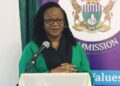
Primary and Secondary Education Minister Dr Evelyn Ndlovu said the existing situation on the ground is far from optimal.
She her ministry was allocated $650 million from the $1,4 billion allocated to her ministry in the 2022 national budget.
“In the 2022 financial year, 5000 teaching posts were funded against a shortfall of 50 000. In the 2023 financial year, a budget provision for 10 000 teaching posts is proposed subject to Public Service Commission approval and Treasury concurrence.
“In line with the Constitution and Presidential Declaration, the State funded Education Strategy calls for budget support from both the traditional fiscal appropriated funds as well as through special taxes and levies,” Ndlovu.
“International declarations that the country is also a signatory to, such as the Dakar recommendation of 20 percent allocation to education, as well as the most recent ‘Kenyatta’ declaration of 20 percent allocation to Basic Education by 2025, both, speak to the need to urgently increase the funding of Basic Education.”
Ndlovu said more resources were needed to improve the education sector.
“Connectivity to our schools is important as lack of it leads to poor quality of education. The Ministry is working with other government ministries and agencies to solarise schools, especially in the rural areas. There is a budget under the capital expenditure component to cater for electricity and internet connectivity. More funding is requested to progressively cover our schools much faster,” she said.
“Hyperinflation affected the performance of running contracts, as price variations have been numerous. The price variation process for high-value procurements requires approval by Procurement Regulatory Authority of Zimbabwe, thereby affecting the procurement cycle time, especially for us as a big Ministry that deals with high volumes. The new regulation of price due diligence or value for money which was extremely essential also lengthened the procurement process.”