



NEARLY 70 000 teenagers fell pregnant a year before the census night, a development that has irked child activists who argue that the figure is too high considering that some of these births are by girls as young as 10 years.
The revelation follows ongoing debates on how best the country can address teenage pregnancies which have seen a number of girls dropping out of school, thereby jeopardising their futures.
Teenage pregnancies are life-threatening as they increase risk of maternal mortality, and lifelong disabilities which may result from labour, but these are also a major threat to the education of girls in Zimbabwe, especially the vulnerable and orphaned ones.
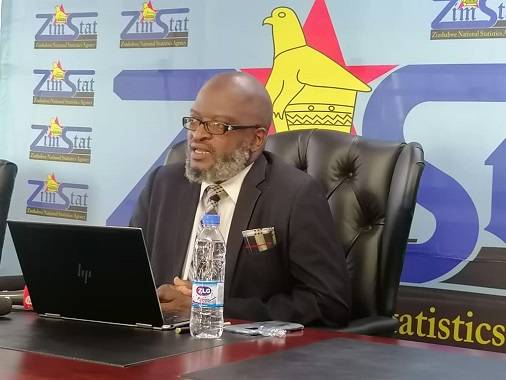
Presenting the vital statistics report, Zimbabwe National Statistics Agency (ZimStats) director-general, Mr Taguma Mahonde said adolescent girls aged between 10 and 19 accounted for about 16 percent of the 439 458 births recorded 12 months before the census night.
“A total of 439 458 live births were recorded during 12 months preceding the census night, of which 27,6 percent (120 542) were by women aged 20 to 24. Of these a total of 69 335 adolescent females aged 10 to 19 had live births during the same period,” he said.
“At national level; 20,5 percent of children under one year had registered births. Birth and death registration is a key source of demographic data for socio-economic development and population control in developing nations. Vital statistics are used to produce fundamental demographic and epidemiological measures that are needed in national planning across multiple sectors such as education, labour and health.”
Local child activist Ms Patricia Tshabalala said it is heartbreaking to see that children aged 10 years were now counted as mothers whereas under normal circumstances they should be creating happy childhood memories.
“I was shocked to see that we had such a high number of births from our children, I wonder why so many of them are giving birth, and it’s not even Biblical. When God said we should be fruitful and multiply, this was directed to responsible adults not children like we are seeing from the ZimStats report,” she said.
“Surely our world is coming to an end and we all need to seriously address this scourge before it ruins our future as a country. Our communities are now run by children who think they are now adults and are busy giving birth to children who will eventually become a burden to the older population.”
Ms Tshabalala said stern measures should also be taken against anyone who abuses children as a majority of these pregnancies are a result of sexual abuse.
“We need intense awareness programmes and address how we can balance things because yes we need sex education but we also need our children to understand that they must be responsible. I also take this time to bemoan the level of sexual abuse happening in our communities, we need drastic measures to be taken against everyone who abuses children.”
The Parliamentary Portfolio Committee on Health chairperson Dr Ruth Labode recently called for measures to be taken to address the worrying trend of teenage pregnancies, adding that it was time Zimbabwe considered giving adolescents contraceptives.
“When we went to the public hearing, the children demanded that they want to go and seek health services at hospitals by themselves because when they indulge in sexual activities, they do not ask for permission from their parents. They also want to receive free treatment because they do not have money because they do not go to work but are still school children and they now know that they have a problem,” she said in her report on a public hearing held around the Amended Health Services Bill.
“If you look at the numbers, the Minister of Primary and Secondary Education said 10 000 pupils did not come back because of teenage pregnancies. What are we waiting for? When we went for public hearings on this Bill in Nyathi, we were received by over 50 teenage pregnant girls who came to meet us.”
Dr Labode said it is time for stakeholders to take action that will help address teenage pregnancies which keep worsening and negatively impacting girls who automatically have to drop out of school. – The Chronicle