


GOVERNMENT has gazetted a new Statutory Instrument (SI) 27 of 2023 to operationalise a blended inflation rate, which has resulted in a further drop in both annual and monthly inflation rates for the month of February 2023.
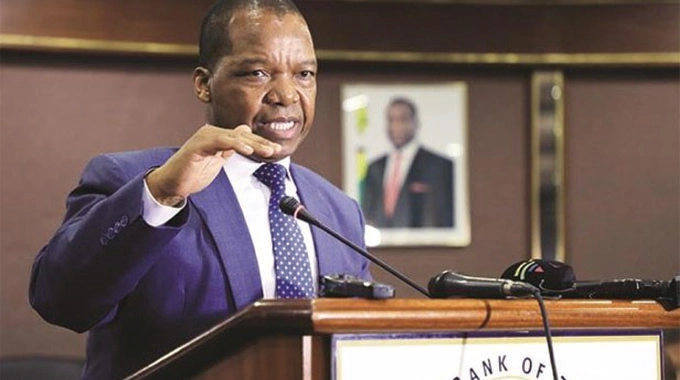
The adoption of the blended inflation rate buttresses the 2023 Monetary Policy Statement where Central Bank Governor, Dr John Mangudya, stressed the need to recalibrate inflation reports to reflect the dual currency nature of incomes and prices in the economy.
According to the new SI, inflation rate refers to the general increase in price levels of goods and services measured as a weighted average “based on the use of Zimbabwean dollars and United States dollars over a given period of time”.
The new model reflects the estimated 77 percent of the foreign currency transactions in the economy with the remainder being the local currency, according to the Zimbabwe National Statistics Agency (Zimstat).
The dominant use of forex has also been confirmed by Confederation of Zimbabwe Industries surveys.
Following the adoption of the blended inflation rate, official data released by Zimstat, blended annual inflation has since dropped by about 9,1 percent from the January rate to 92,3 percent from 101,5 percent.
The blended monthly inflation has also shed 2,3 percentage points to settle at -1,6 percent from 0,7 percent in January.
The declining trend is in line with the Treasury projections that annual average inflation would continue slowing down to double-digit levels, underpinned by continued tight monetary and fiscal policy stance, and a stable foreign exchange market.
These are being strengthened by Government procurement processes, implementation of measures to mop up excess liquidity such as the sale of gold coins, and fairly stable global commodity prices.
Supportive monetary and fiscal policies, as well as coordinated interventions by the authorities, have been central in sustaining the current inflation deceleration and exchange rate convergence path.
The Government also set a month-on-month inflation target range of between one to three percent and a fiscal budget deficit of not more than 1,5 percent of GDP during 2023.
“The year-on-year inflation rate (annual percentage change) for the month of February 2023 as measured by all items Consumer Price Index (CPI) was 92,3 percent,” said ZimStat director general, Mr Taguma Mahonde, in his presentation on monthly trade updates.
“The month-on-month inflation rate in February 2023 was -1,6 percent shedding 2,3 percentage points on the January 2023 rate of 0,7 percent.”
Meanwhile, ZimStat has revealed that the CPI stood at 273,65 in February 2023 from 278,12 in January 2023, and 14 2,28 in February 2022.
“The CPI for education had the highest month-on-month inflation rate of 0,2 percent followed by health at –0,6 percent,” he said.
“The Food Poverty Line (FPL) for one person in February 2023 was $22 386. For poverty lines, ZimStat makes use of a consumer basket for the poor.” – The Chronicle


