


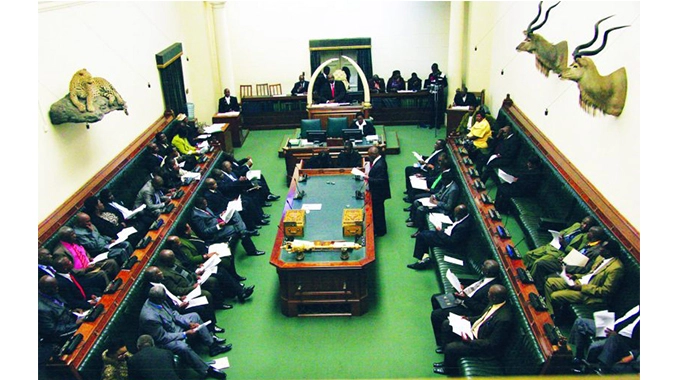
AS Zimbabwe goes to the polls later in the year, it is important to take stock of the importance of Women’s Political Participation (WPP) in a bid to see if efforts in promoting their participation are being done in earnest and if there have been changes from previous elections.
Of paramount importance is the issue of numbers; if women’s visibility and activity on the political scene has been increasing, if they are visible in the media, and if they are willing to take part effectively in politics despite hurdles that may come their way.
The media has been singled out as a key partner in positively and objectively portraying women as credible political leaders and participants in any elections or positions of power. The media also plays a key role in ensuring that there is an increase in reportage concerning WPP.
While there are hopes to see an increase in women’s participation in the forthcoming harmonised elections in Zimbabwe, some sections believe that there may be a challenge in predicting their increase owing to a number of factors.
Advocate Choice Damiso, a member of the Women and Law Southern Africa (WLSA) said it is important not only to look at numbers but the value that women are bringing in terms of encouraging the participation of other women.
“It is difficult to predict women’s political participation in this coming election for some of the following reasons. Women’s participation can be assessed from a number of criteria. We can talk about quantitative participation and we can also talk about qualitative participation. When it comes to quantitative participation, we will be looking at the numbers only. We can safely predict the level of participation guaranteed by the Constitution.
The women’s quota system was extended, thus guaranteeing the 60 reserved seats for women in the National Assembly and the Proportional Representation (PR) women in the Senate. At local level, we can also expect an increase in the number of female councillors because the reserved seats were extended to Local Government elections.
“When we talk of a qualitative increase in the participation of women, we are not looking only at a greater number of Parliamentary seats held by women, we are looking deeper to assess the value that the women holding the seats are adding in terms of speaking for women, representing women’s interests articulating women’s key issues and successfully advocating for the adoption of the laws and policies that actually improve the lives of women.”
While it is mentioned that women need to play an active role and increase their representation on the political scene, Advocate Damiso said their participation should not just be about the extent to which women hold political office.
“It should also be about the agency that women have to demand accountability from their leaders and to effectively use their votes and voice. Traditionally, women were used to dancing, singing praise songs, and ululating during political rallies. Women need to do better than this. Their participation in elections should be about organising themselves, choosing competent leaders to lead them in defining and articulating the issues, and putting them on the main agenda,” she said.
This, she said, has been a let-down in many cases as this has limited how other women view politics and have limited it to women playing minimal roles in politics in previous years. Advocate Damiso said another impediment to WPP is the prevailing environment in the run-up to the 2023 elections.
“Another reason why it is difficult to predict women’s political participation in the coming elections is that a lot is going to depend on the prevailing environment during the campaign period. If the environment is characterised by violence, sexual harassment, corruption, and intimidation then naturally women tend to stay away,” she lamented.
Advocate Damiso highlighted that Section 124(1) of the Constitution was also recently amended to provide for 10 youth members to be elected to the National Assembly on a party-list system, one from each province in the country. To qualify for election the youths will have to be aged between 21 to 35, and the party lists will have to provide male and female candidates alternately. This, she said, will have the effect, incidentally, of adding up to five additional women to the membership of the National Assembly.
Asked on how effective the available instruments that speak of the increased participation of women have been since the last election, Advocate Damiso highlighted the positives of Constitutional Amendments.
“The most obvious example I can think of is the mechanism in Section 124 of the Constitution as amended which provides for the reserved seats for women in the National assembly and the PR system of election used in the senate. Now the same mechanisms apply to Local Government elections.
She further highlighted that there have also been complaints that the selection of women to go on the closed list for reserved and proportional representation seats is not transparent and there could be women that are chosen on the basis of nepotism and favouritism instead of merit. As the elections draw nearer, with a date set to be Proclaimed by President Mnangagwa, there are key issues that have been top of the list regarding increasing women’s participation in politics and elections.
“There is a need for capacity-building programmes for current and potential female politicians including mentorship programmes, amending the Constitution to provide for an equal number of seats for men and women in both houses and at Local Government, and also the education of the general public to increase civic competence,” added Advocate Damiso.
She said there must be effective mechanisms laid down to prevent and address political violence and election malpractice as many women are deterred from participating in fear of being attacked during acts of political violence. Advocate Damiso also gave an insight into research done in other African countries which highlights other challenges that come with WPP, particularly the Quota System.
“Most ‘quota’ women are selected through patronage — and are connected to or related to senior party members and tend to follow the interests of powerful men in their parties. They generally do not challenge patriarchal attitudes prevalent in their parties and in society at large. Many do not have experience in gender issues or in working for gender justice, hence they may not be effective champions of gender equality. Having ‘quotas’ leads to fewer women being elected by direct vote to represent constituencies. Reports, in particular from other African Parliaments, indicate that often ‘quota’ women are not treated with respect by fellow Parliamentarians,” she lamented.
This was attributed to the fact that “quota” women do not represent constituencies and they seldom become well known to the electorate and are less effective in taking women constituents’ issues to Parliament. The Zimbabwe Electoral Commission (Zec) has been encouraging women to get information, education and have a good appreciation of the electoral laws and processes in order to enhance their opportunities and participation in elections. They said this lack of and limited knowledge leads to some failing to fully participate in elections as they lack the requisite knowledge versus their male counterparts. – Sunday News


