


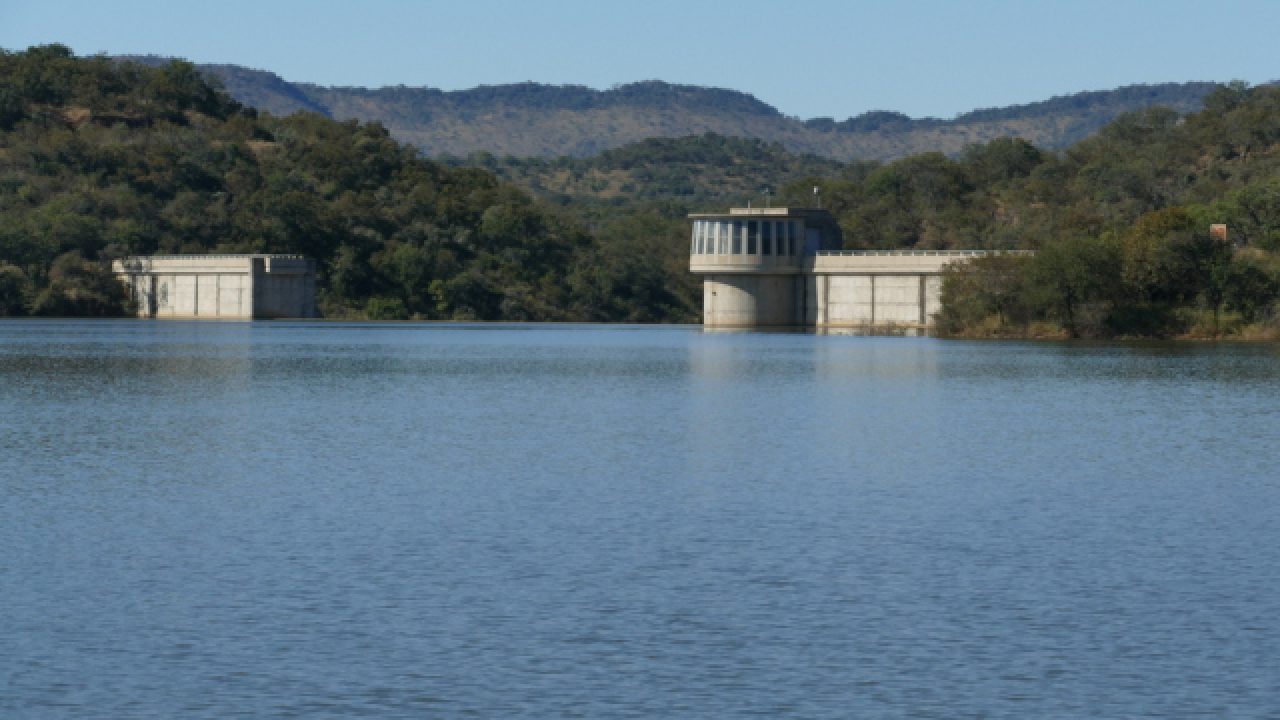
BULAWAYO’s water supply will not last for a year as a result of low water levels in the city’s supply dams.
The city’s supply dams are still critically low, while 52 percent of the country’s dams are now spilling.
According to the Zimbabwe National Water Authority (Zinwa) latest update on the national dam levels, Umzingwane and Upper Ncema Dams are 12 percent, Lower Ncema 22 percent, Inyankuni 39 percent, Insiza 42 percent, and Mtshabezi 74 percent full.
As of 10 February, the country’s 26 national dam levels were on an upward trend, with the national dam level average now 87,4 percent while 52,2 percent of the major dams were full and spilling.
The situation is expected to improve as more rain is still expected.
Most of the dams that are spilling are in the northern parts of the country, which has been receiving significant rains compared to the southern parts.
Bulawayo is experiencing crippling water cuts as a result of low water levels in the city’s supply dams.
In a statement yesterday, Zinwa corporate communications and marketing manager, Mrs Marjorie Munyonga said Bulawayo, together with Mt Darwin, and Mutoko, remain water insecure with less than 12 months of supplies in their raw water sources, which constitute 8,5 percent.
“Centres that remain water insecure with less than 12 months supplies in their raw water sources constitute 8,5 percent and include Mt Darwin, Bulawayo, and Mutoko. At proportion, 40,4 percent of the urban centres, towns, growth points and rural service centres are in the moderate category with their water supply dams holding water sufficient to last periods between 12 and 20, 9 months,” she said.
Mrs Munyonga said more than half of the country’s towns, cities, and rural service centres are now water secure with the dams supplying them with raw water now satisfying the 21-month rule.
“Towns, cities, growth points and rural service centres whose raw water sources now satisfy the 21-month rule and holding water capable of lasting for at least 30 months at current demand include Harare, Kadoma, Marondera, Plumtree, Rusape, Bindura, Masvingo, Buhera, Bikita, Murambinda, Mashava, Zvishavane, Mberengwa and Mutawatawa,” she said.
“Other towns whose water supply dams satisfied the 21-month rule but are capable of lasting for a period of under 30 months are Gweru (25,6 months), Rushinga (26,5 months), Shurugwi (21,3 months) and Kwekwe (22,3 months).”
Bulawayo has been hit by a serious water shortage with most suburbs going for over a week without running water.
The crisis has also led to residents travelling long distances to fetch water and the disruption in the water supply has been caused by prolonged hours of electricity shedding.
The city has been under an ever-tightening and gruelling water-shedding exercise since 2019 following successive poor rainy seasons.
Bulawayo City Council (BCC) started with a 48-hour water-shedding programme which increased to a provisional water supply restoration schedule where most suburbs were getting running water once a week.
However, the provisional water supply restoration schedule saw some residents who live in high-lying areas going for almost 12 hours without running water.
Government is seized with the prevailing water crisis in Bulawayo and an inter-ministerial committee led by Lands, Agriculture, Fisheries, Water and Rural Development Minister Dr Anxious Masuka, has since been set up to find both short and long-term solutions.
The completion of the Lake Gwayi-Shangani project will ensure a reliable water supply to Bulawayo for the next 80 years while weaning off some of its supply dams in Matabeleland South to cater for developmental projects in the province.
Lake Gwayi-Shangani is part of the National Matabeleland Zambezi Water Project, an idea that was conceived more than a century ago and has only been turned into reality by the Second Republic.
Gwayi-Shangani dam
The massive water project is expected to ignite rural industrialisation across the Matabeleland region where communities will have access to clean water and electricity to power local institutions.
Guided by the National Development Strategy (NDS1), Government aims to increase the proportion of people with access to potable water to 90 percent from 78 percent, by 2025.
BCC has begun a process to expand critical water treatment and conveyance infrastructure in readiness to receive increased water supplies from Lake Gwayi-Shangani.
The expanded infrastructure will enhance feeding of water from Magwegwe Reservoir into Criterion Water Treatment Works, which will enhance the distribution of the precious liquid to critical areas across the city.
Criterion Water Treatment Works is the nerve centre of the city’s water treatment and distribution. – The Chronicle


