



IN 2009, Zimbabwe adopted voluntary medical male circumcision (VMMC) as a priority HIV prevention strategy but to date, it’s the least utilised as men are not keen to take up the scientifically proven program.
VMMC is the removal of all or part of the foreskin of the male sexual organ by a trained healthcare worker and reduces heterosexual male vulnerability to HIV infection by approximately 60 percent.
Interesting, VMMC is also an entry point for providing men and boys, who traditionally do not have health-seeking behaviour, with broader health packages to improve their health, and indirectly benefits women and girls.
It is part of a comprehensive HIV prevention package of services in Zimbabwe and is to be used in conjunction with other methods of prevention, such as female and male condoms.
At least 9,2 percent of eligible men have done VMMC since the inception of the programme, a figure that falls short of targets for heavily HIV-burdened countries like Zimbabwe.
Figures from 2021 HIV estimates show that 151 037 men were circumcised up from 82 060 in 2020.
In separate interviews, men’s organisations said the uptake remains low due to unresolved issues around VMMC which still need to be addressed.
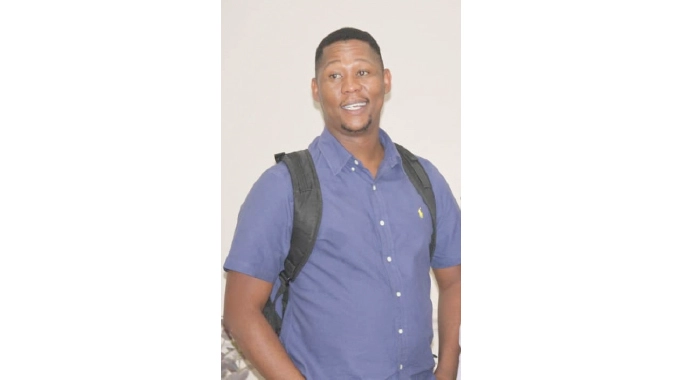
Men’s Conference Podcast executive producer Mr Makhosi Sibanda said a number of men have poor health-seeking behaviour which remains a major challenge.
“The social explanation is men have poor health-seeking behaviours hence it is hard for them to test for HIV or support women in anything health related. Most men fear the worst as they are generally reluctant, hence they would rather wait for their wives or partners to test for HIV for them to establish their HIV status. Secondly, there are unconfirmed fears that sexual sensation goes down if men go through circumcision and they are likely to lose their touch,” said Mr Sibanda.
“Men fear losing sexual prowess as some claim the procedure altered their system. There should be a targeted approach where men meet; social clubs and social soccer so that they are engaged. Some of these fears are based on mere fears but we need men to make informed decisions.”
Padare Men’s Forum programme officer Mr Ziphongezipho Ndebele said the low uptake was also due to myths and misconceptions that haven’t been addressed for a long time.
He said men feel judged and cannot freely communicate their fears as they are often said to be cowards or unwilling to take part in HIV preventative programmes.
He said in some instances it’s women who discourage VMMC as they link the strategy to guaranteed promiscuity.
“First, it is the myths and misconceptions as there are some people spreading falsehoods and there haven’t been awareness campaigns to counter that. We also have theories that claim VMMC is a subtle contraceptive method for men hence we are likely to have men snubbing it as long as correct data is not shared extensively,” said Mr Ndebele.
“VMMC as a procedure also comes with some disadvantages which men feel make it unworthy for example the fact that one needs about six weeks to heal. A majority of our men are informally employed and cannot afford to lose out even for hours in the name of partaking in an HIV-preventative method.”
He added that men need a safe space where they are engaged and educated without judgment for them to be in a position to understand and embrace VMMC.
The National Aids Council (NAC) recently produced a male engagement strategy for HIV to help address the unique challenges faced by men.
NAC monitoring and evaluation director Mr Amon Mpofu said HIV affects men differently hence the need to come up with a strategy specifically directed at them.
“Men are not good at accessing HIV services like treatment and HIV testing but they have influence in families as they are the decision-makers,” he said.
Mr Mpofu said men should also mobilise communities to fight HIV/AIDS using their influence.
“We want to see a Zimbabwe with healthier men who can work and fend for their families hence this strategy is meant for men. The new strategy’s aim is to educate men about HIV, mobilise them to get tested for HIV so that they get treatment,” he said.
He said it is worrying that despite statistics indicating that there are more women who are HIV positive in the country, more men were dying compared to women. – The Chronicle


