


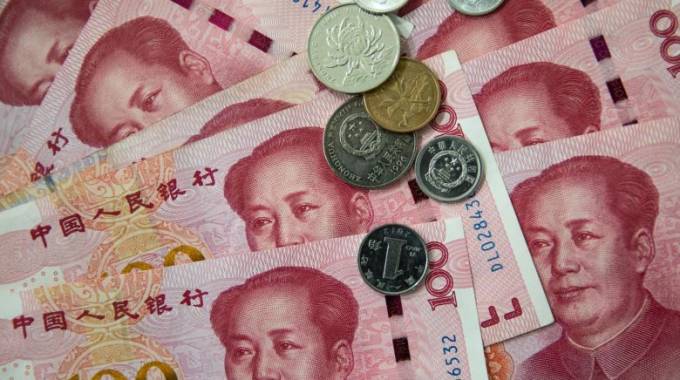
Russia said it would resume foreign currency interventions with the sale of yuan from today, underscoring the growing importance of China’s currency in Moscow’s efforts to ensure economic stability amid Western sanctions.
After the West imposed the most severe sanctions in modern history over the military operation in Ukraine, Russia’s economy has shown remarkable resilience but the world’s biggest producer of natural resources is now turning increasingly towards China.
Chinese students have flocked to Russian universities, Mandarin graces signs in Moscow tourist spots alongside English and Russian, and President Vladimir Putin has touted a “no limits” partnership with President Xi Jinping.
Russia’s finance ministry, which along with the central bank led Moscow’s economic response to the sanctions, said it would sell 54.5 billion roubles (US$798 million) in foreign currency from January 13 amid lower oil and gas revenues.
“In order to increase the stability and predictability of domestic economic conditions, as well as to reduce the impact of volatile energy market conditions on the Russian economy and public finances, the Finance Ministry will resume operations for the purchase/sale of liquid assets,” the ministry said.
Russia’s 2023 budget is based on a Urals blend price of around US$70.1 a barrel, though Russia’s main blend is currently trading at below US$50 a barrel.
Russian nominal GDP is likely to be US$2.14 trillion this year, the highest level since 2013, according to the International Monetary Fund. — Reuters