



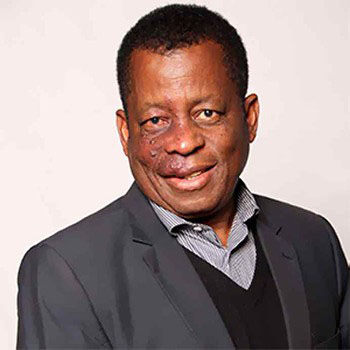
Efforts to reduce load shedding considerably are bearing fruit with Zimbabwe soon to get up to 500MW of electricity from Zambia and Mozambique, while Hwange Power Station’s Unit 7 should be feeding 300MW into the grid before month end, Zesa Holdings executive chairman Dr Sydney Gata said in an exclusive interview.
Owing to low water levels at Lake Kariba and aged thermal power stations, the small ones with equipment now 72 years old and even Hwange more than 34 years old, Zimbabwe is battling massive electricity outages, with some people saying they only have power between 10pm to 5am.
However, electricity outages are not peculiar to Zimbabwe as large parts of the region, including powerhouse South Africa, contend with load shedding stretching up to 10 hours per day in some cases.
But Dr Gata said Zimbabwe has been busy working on measures to address the electricity challenges, and a huge difference in terms of the load shedding schedule, would soon be noted across the country.
“As for the current load shedding, there is relief that is coming. We ran around and apart from getting a bit more from Kariba, we will be getting a bit more from Zambia and Mozambique,” said Dr Gata.
“From Zambia we are getting 100MW and they are looking for another 50MW for us and there is also a member of the Intensive Energy Users Group who is also looking for another 100MW. So we may get as much as 250MW from Zambia.
“From Mozambique I was there recently and we agreed that they will run around and increase from the 60MW they have been giving us, to 100MW immediately, and there is another 150MW which could be coming from Monday next week. So Mozambique should give us 250MW maximum.”
All things being equal, Dr Gata expects to go to Mozambique tomorrow to escalate the negotiations.
More electricity is expected to come from Hwange’s Unit 7, which is expected to start feeding electricity into the grid before month end. If all goes according to plan, Unit 7 should be connected to the grid a few days before Christmas, said Dr Gata.
“The unit itself, in terms of operating, is actually ready to generate. However, there was a delay in equipment required to connect it to the grid,” he said.
Some panels which have to be installed at substations to connect Unit 7 to the main grid were delivered late because factories shut down early in China, where they come from.
Unit 7 has capacity to generate 300MW while on completion in the first quarter of next year, Unit 8 will also add another 300MW to the main grid.
For Unit 7, besides the parts, there was a delay in the arrival of engineers from a Chinese firm. But the panels and engineers are now on site and staff are “working frantically” to get Unit 7 onto the grid.
“So far we expect that it could be around the 20th of this month. It could be later, it could be earlier, but thereabout and surely by Christmas, Unit 7 should be in service, barring unforeseen situations,” said Dr Gata.
Zimbabwe is facing the current electricity challenges in part due to Covid-19 which slowed down the delivery of materials for Hwange’s Units 7 and 8.
After the Covid delays, Zesa “went out proactively to syndicate power purchase contracts” with South Africa, Zambia and Mozambique when they still both had surplus power at a “reasonable tariff”, said Dr Gata. However, Zimbabwe delayed getting the electricity and it was sold other markets.
If independent power producers (IPPs) had obtained Government guarantees on time, they could be producing reasonable quantities of electricity which would have reduced the burden on Hwange and Kariba. Kariba South these days should be almost entirely used to cope with peaks in demand and react to the normal fluctuations, rather than supply base load except in an emergency.
Globally, IPPs have been around since the unbundling of the British electricity industry by Margaret Thatcher in 1974. In the United Kingdom, IPPs account for 94 percent of electricity while in Ireland, the law stipulates that the government should own not more than 50 percent of electricity generation.
In Zambia, IPPs contribute 22 percent of power to the national grid while in Mozambique they account for 35 percent.
However, in Zimbabwe they account for 1,5 percent, despite having 94 IPPs licenced for a total of 7 400MW, but almost nothing of that has been installed, just 40MW from 10 of them.
Dr Gata said if Zimbabwe could get 1 000MW from IPPs, then Kariba would only be used in the morning peak and in the evening while IPPs generate from solar during the day.
Water allocated to Zimbabwe by the Zambezi River Authority would then be stored when the solar stations were operating, ensuring there was enough for full output as the sun was setting and the evening surge in residential demand arose. This water conservation was especially needed in an era of climate change that has resulted in erratic rains.
Presently, about 10 IPPs are operational and are generating about 40MW, which Dr Gata said “will never make an impact on an economy like Zimbabwe”.
Last year alone, Zimbabwe imported an average of
300MW at a cost of US$225 million, which could have been avoided if IPPs were generating more.
Going forward, Dr Gata said global climate funds would be channelled to IPPs from January next year so that they ramp up production.
A conference involving CEOs of energy utilities from Mozambique, Zambia, DRC and Zimbabwe, is being planned for next year so that they try to encourage each other to invest in solar energy to save water in lakes.
But the establishment of the Intensive Energy Users Group in Zimbabwe, a first of its kind in the Southern African Power Pool, will help the Government in terms of importing power.
The IEUG is a consortium of initially 22 companies that are large industrial firms.
Zesa assisted them in the formation of the group, its constitution and structure and introduced them to utilities in Zambia and Mozambique.
Said Dr Gata: “Very soon we are going to see the first of such a transaction of 100MW whereby a Zimbabwe mining company will procure 100MW from one of the utilities directly. We had this consortium duly registered and licenced in Zimbabwe and also registered on SAAP, they can trade.”
IEUG members import electricity directly and use it among themselves, Zesa just carries it for them across the grid and delivers it to their addresses.
In the past the Government would go and buy and supply them.


