



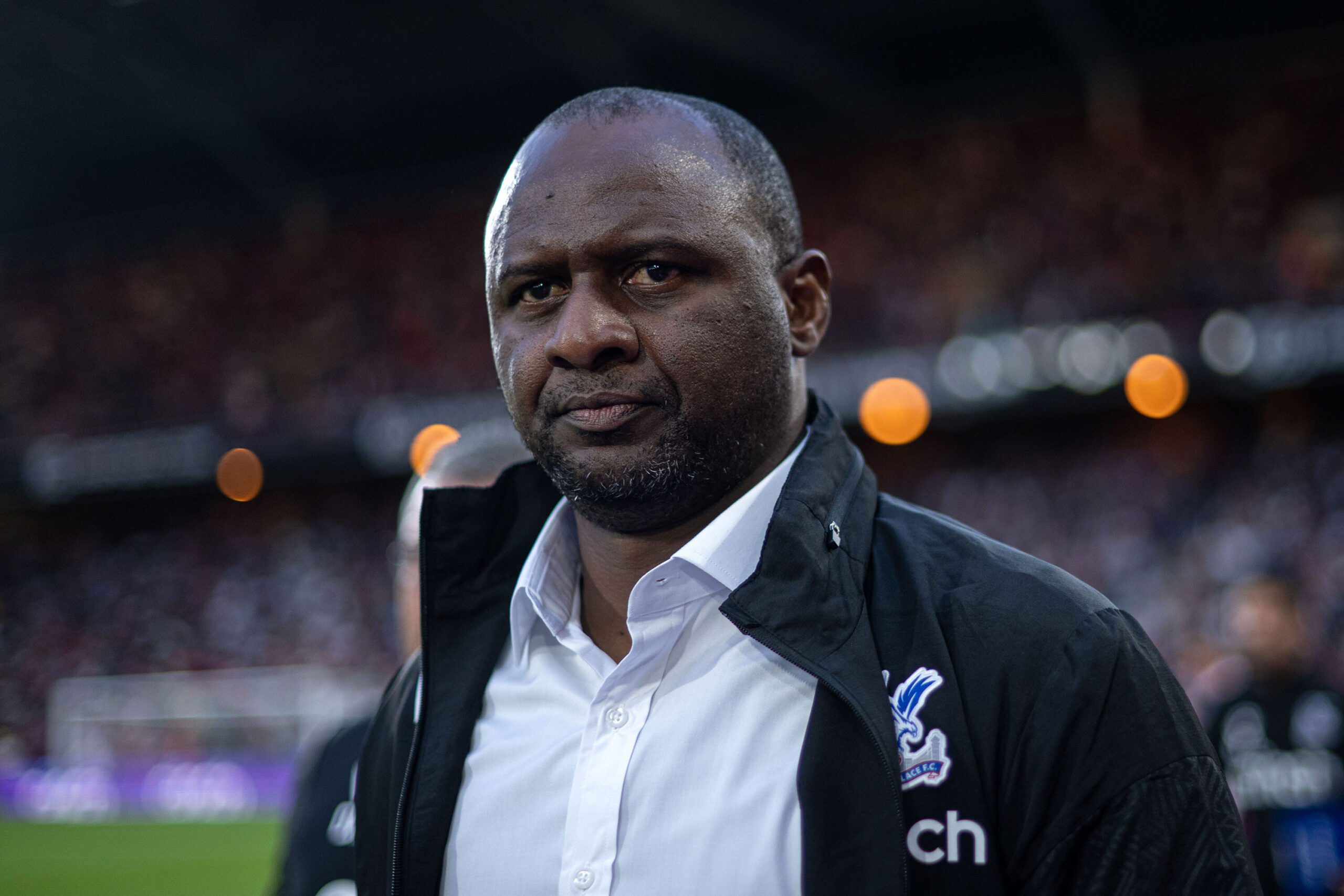
Born in Senegal, Vieira went on to become an Arsenal legend. Now manager at Premier League Crystal Palace, he recently received the Lifetime Achievement gong at the Best of Africa awards
***
France World Cup winner Patrick Vieira is proud of his African roots. Born in Senegal, he went on to become an Arsenal legend. Now manager at Premier League Crystal Palace, he recently received the Lifetime Achievement gong at the Best of Africa awards.
He spoke to Darren Lewis about his roots, racism within the game and lack of opportunities for people of colour and women.
Q: How do you feel about being recognised by the Best of Africa family?
A: You know, it is always good for people to know that I am African, to remind them that I was born in Africa. So being here tonight and receiving this award means a lot to me, I don’t forget where I came from, football has been fantastic, being in France and playing for the national team has been unbelievable, it gave me the structure to build myself as a person and a man, but I have to remember where I came from, its part of who I am today, as well.
Q: How important is it for you to do the work you’re doing now, empowering young men?
A: I think it is important to first understand who we are. Then it is about what do we want to achieve, we live in a society where it is difficult for a young African person to succeed, because I strongly believe that a lot of doors are closed, and we don’t have the opportunities that we deserve to.
I know what I am talking about because it has been challenging to be where I am today, I have had some really good support, especially when I was at Manchester City.
I want to be a positive example, I want to show that we can lead, we can make decisions and we can manage, we are good as anybody else.
Q: Football doesn’t have enough black representatives at any level does it?
A: That is what we need to change because when we are going to football matches, looking at the field and seeing that diversity on the field, I would love to see the same kind of diversity higher. We are talking about our federations, not just black people, but having women as well and we want to be judged by our quality.
Q: You won the World Cup in 1998, and since then have you seen any change in the diversity at the top of the world game?
A: It is not changing, and the question is, do people really want to make those changes? And if they say yes, then why are we waiting to do it because there are people who are qualified to take responsibility.
Q: As far as the young men are concerned, if they want to be inspired or move into management, they need to see people at the top of the game, and we just don’t have that right now do we?
A: Things are changing, things are improving, but too slowly, and this is why we have to fight for things to change, we have to expose the real situation and make people understand the doors are closed, and the doors are closed because of people’s skin colour, religion or because they’re women. – Voice


